The Growing Industry of Pyrolysis in Indonesian Business Companies: An Overview
Category : | Sub Category : Posted on 2024-10-05 22:25:23
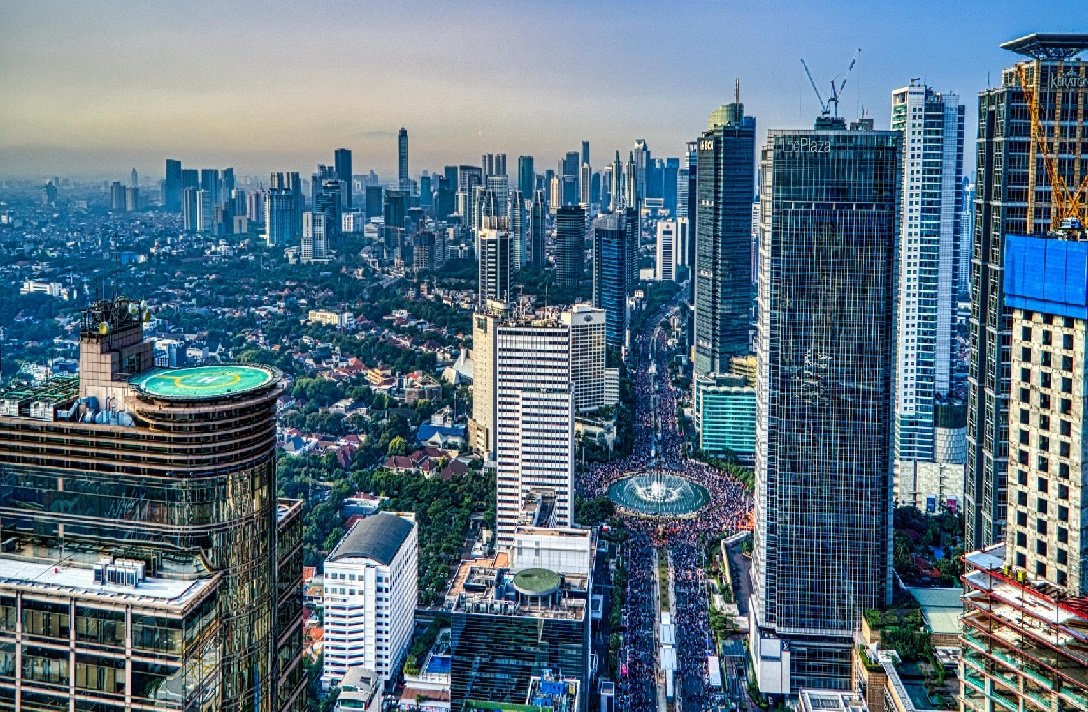
Introduction: In recent years, the business landscape in Indonesia has been witnessing a significant shift towards innovative and sustainable practices. One such emerging trend is the adoption of pyrolysis technology by Indonesian business companies. Pyrolysis, a process that converts organic materials into valuable products like biofuels and chemicals in the absence of oxygen, is gaining popularity as a promising solution to waste management and energy production challenges. Pyrolysis in Indonesian Business Companies: Indonesian business companies across various sectors are exploring the potential of pyrolysis technology to address both environmental and economic concerns. By converting organic waste materials such as agricultural residues, plastic waste, and biomass into valuable resources, these companies are not only reducing the burden on landfills but also creating new revenue streams. The versatile nature of pyrolysis allows businesses to produce biofuels, biochar, and other high-value products, contributing to a more sustainable and circular economy. APA papers on Pyrolysis in Indonesia: As the interest in pyrolysis technology grows among Indonesian business companies, the academic community is also actively researching and publishing papers on various aspects of pyrolysis in the country. APA papers focusing on topics such as the efficiency of pyrolysis processes, environmental impact assessments, market analysis, and policy recommendations are providing valuable insights for industry stakeholders, policymakers, and researchers. These papers are helping to bridge the gap between theory and practice, enabling a more informed and strategic approach towards the widespread adoption of pyrolysis technology in Indonesia. Challenges and Opportunities: While the potential benefits of pyrolysis technology are promising, Indonesian business companies face certain challenges in scaling up and implementing these innovative solutions. Technical complexities, regulatory frameworks, financial constraints, and market dynamics are some of the key obstacles that need to be addressed to realize the full potential of pyrolysis in Indonesia. However, with strategic partnerships, government support, and technological advancements, these challenges can be overcome, unlocking new opportunities for sustainable growth and development. Conclusion: The utilization of pyrolysis technology in Indonesian business companies presents a unique opportunity to redefine waste management practices, promote environmental sustainability, and drive economic growth. By leveraging the expertise of researchers, industry professionals, and policymakers, Indonesian businesses can harness the full potential of pyrolysis to create a more sustainable and resource-efficient future. As the momentum continues to build around pyrolysis in Indonesia, collaborative efforts and innovative strategies will be crucial in realizing the transformative impact of this technology on the business landscape and beyond.
https://continuar.org
Leave a Comment:
SEARCH
Recent News
- Zurich, Switzerland, and Vancouver, Canada, are two bustling cities known for their thriving startup scenes. In this blog post, we will take a closer look at some of the top startups making waves in each city.
- Zurich, Switzerland and Vancouver, Canada are two vibrant cities with distinct characteristics that make them stand out in their respective regions. While Zurich is known for its financial prowess and high quality of life, Vancouver is a bustling hub of business and innovation on the west coast of Canada. Let's take a closer look at how these two cities compare in terms of their business environments.
- Zurich, Switzerland and Vancouver, Canada are both vibrant cities known for their strong economies and diverse job markets. In this article, we explore some of the best companies to work for in these two cities, highlighting their unique offerings and what makes them stand out in their respective industries.
- Located in the heart of Switzerland, Zurich is known for its stunning natural beauty, bustling city life, and thriving business environment. The city attracts businesses from all over the world, thanks to its robust infrastructure, highly skilled workforce, and favorable economic policies. For UK businesses looking to expand or set up operations in Zurich, there are a number of government business support programs available to help navigate the process.
- Zurich, Switzerland is a bustling business hub that attracts companies from all over the world, including top Irish companies. The city's strategic location, strong economy, and high standard of living make it an appealing destination for Irish businesses looking to expand their global reach.
- Zurich, Switzerland and Tokyo, Japan are both global hubs for business and innovation, home to some of the top companies in the world. Let's take a closer look at the top companies based in these two cities.
- Zurich, Switzerland and Tokyo, Japan are two prominent cities known for their innovation and vibrant startup scenes. While they are located thousands of miles apart, both cities have managed to establish themselves as hubs for entrepreneurs and tech enthusiasts looking to bring their ideas to life. In this blog post, we will explore the startup ecosystems of Zurich and Tokyo, comparing and contrasting their unique features and what makes them attractive destinations for aspiring entrepreneurs.
- Zurich, Switzerland and Tokyo, Japan are two dynamic cities with thriving business scenes. Both cities are prominent global financial centers and are known for their innovation, economic stability, and high quality of life. In this blog post, we will explore the unique business environments in Zurich and Tokyo and compare the two cities in terms of business opportunities, infrastructure, and work culture.
READ MORE
9 months ago Category :

Zurich, Switzerland, and Vancouver, Canada, are two bustling cities known for their thriving startup scenes. In this blog post, we will take a closer look at some of the top startups making waves in each city.
Read More →9 months ago Category :

Zurich, Switzerland and Vancouver, Canada are two vibrant cities with distinct characteristics that make them stand out in their respective regions. While Zurich is known for its financial prowess and high quality of life, Vancouver is a bustling hub of business and innovation on the west coast of Canada. Let's take a closer look at how these two cities compare in terms of their business environments.
Read More →9 months ago Category :

Zurich, Switzerland and Vancouver, Canada are both vibrant cities known for their strong economies and diverse job markets. In this article, we explore some of the best companies to work for in these two cities, highlighting their unique offerings and what makes them stand out in their respective industries.
Read More →9 months ago Category :
